| Published By: |
|
|
| Template |
| Information |
| For Readers |
| For Authors |
| For Librarians |
| Tools |
|



| MEMBER OF |
|
| Visitor |
| Partnership |
|
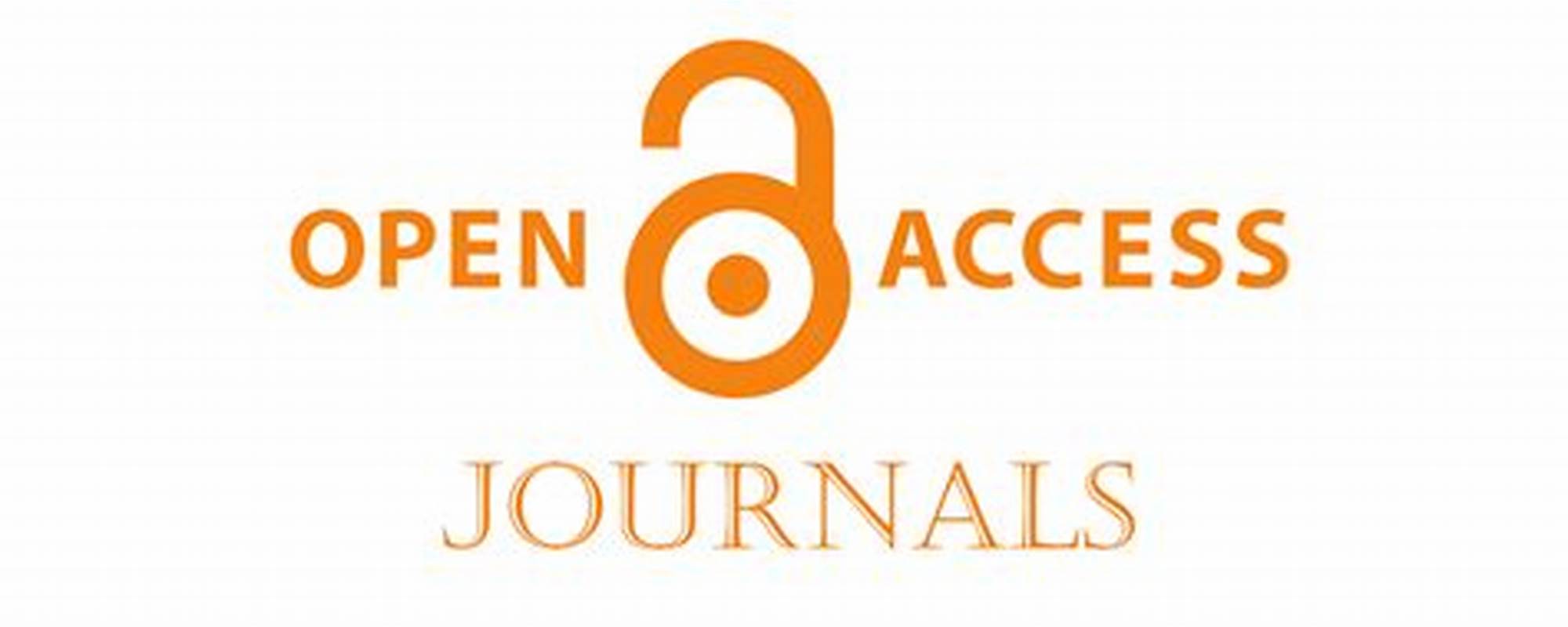
Jurnal Pengabdian Kepada Masyarakat Unisa Kuningan is a fully open-access journal. This means that all content published is made immediately and freely available online to the public worldwide without charge to the user or their institution.
Our open-access model aligns with the core principles of democratic knowledge sharing and community development, based on the following tenets:
Users are allowed to read, download, copy, distribute, print, search, or link to the full texts of the articles, or use them for any other lawful purpose, without asking prior permission from the publisher or the author. There are no subscription fees, paywalls, or registration requirements required to access any published issue.
This journal defines its open-access policy in accordance with the Budapest Open Access Initiative (BOAI):
"By 'open access' to this literature, we mean its free availability on the public internet, permitting any users to read, download, copy, distribute, print, search, or link to the full texts of these articles, crawl them for indexing, pass them as data to software, or use them for any other lawful purpose, without financial, legal, or technical barriers other than those inseparable from gaining access to the internet itself."
To protect author rights while fostering maximum reuse of knowledge, all articles published in Jurnal Pengabdian Kepada Masyarakat Unisa Kuningan are licensed under a Creative Commons Attribution 4.0 International License (CC BY 4.0).
Under this license, readers are free to:
Share: Copy and redistribute the material in any medium or format.
Adapt: Remix, transform, and build upon the material for any purpose, even commercially.
Condition: The user must give appropriate credit, provide a link to the license, and indicate if changes were made.
By publishing under an open-access policy in our journal, authors retain the copyright to their work while benefiting from:
High Visibility: Articles can be found, read, and cited by a global audience without financial restrictions.
Increased Impact: Community service outcomes can be directly accessed and implemented by other lecturers, researchers, local governments, and community stakeholders to create wider social impacts.
Rapid Dissemination: Accepted papers are published digitally and indexed instantly, ensuring immediate global reach.
| Published By: |
|
|
| Template |
| Information |
| For Readers |
| For Authors |
| For Librarians |
| Tools |
|
| MEMBER OF |
|
| Visitor |
| Partnership |
|